


How can purified water equipment ensure long-term water quality stability to meet the high-standard water requirements of beverage and pharmaceutical factories?
Release Time : 2026-03-30
In industries with extremely high water quality requirements, such as beverage, pharmaceutical, and medical device factories, purified water is not only a raw material but also directly related to product quality and safety. Continuously and stably providing high-quality water during long-term operation becomes a core issue in the system design and management of purified water equipment. Achieving water quality stability requires systematic optimization across multiple aspects, from process configuration and equipment selection to operation and maintenance.
1. Multi-stage Treatment Processes Build a Stable Foundation
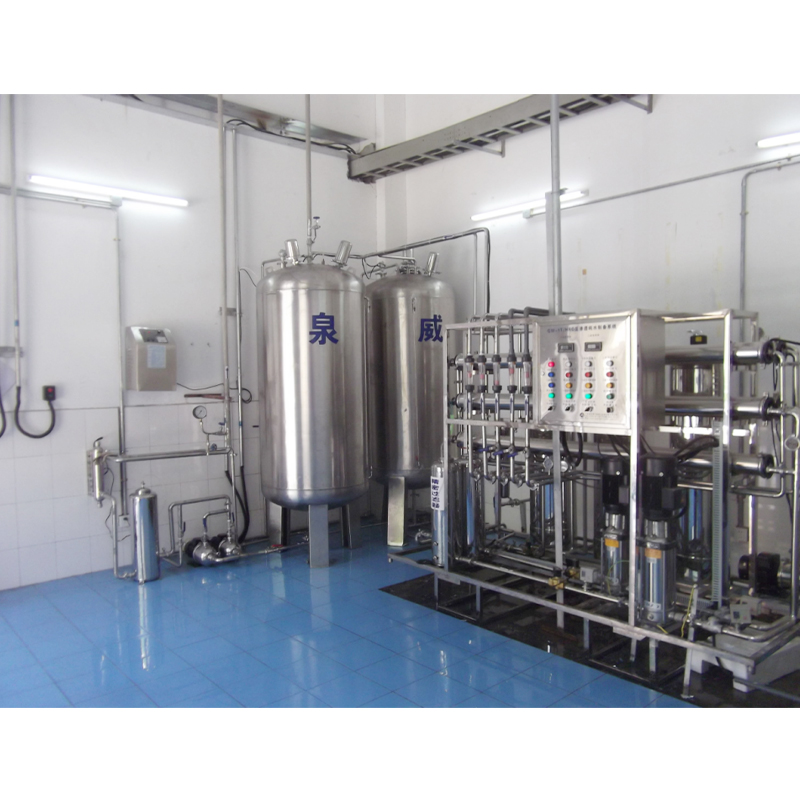
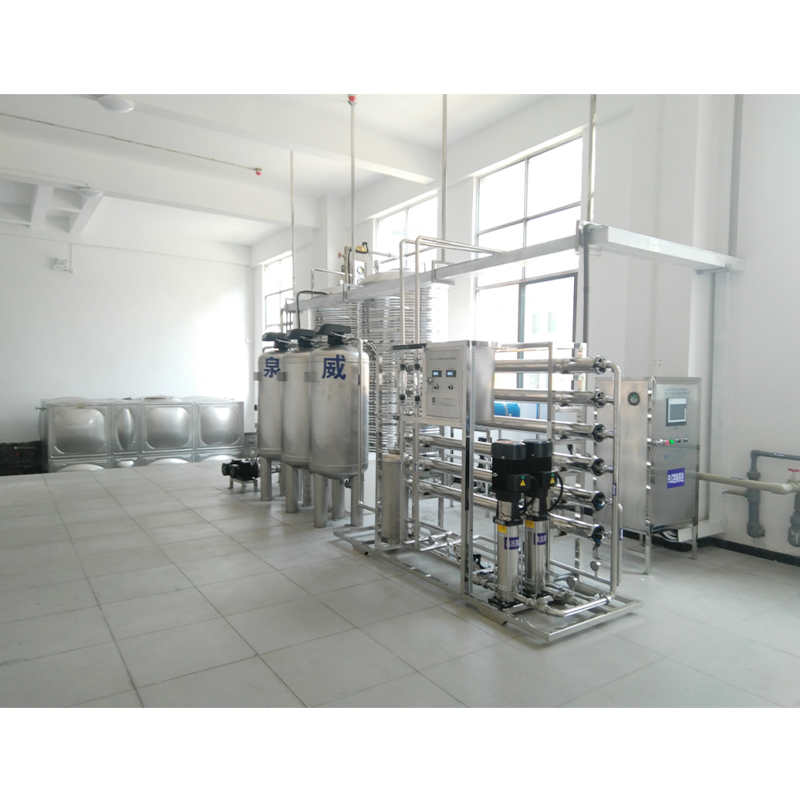
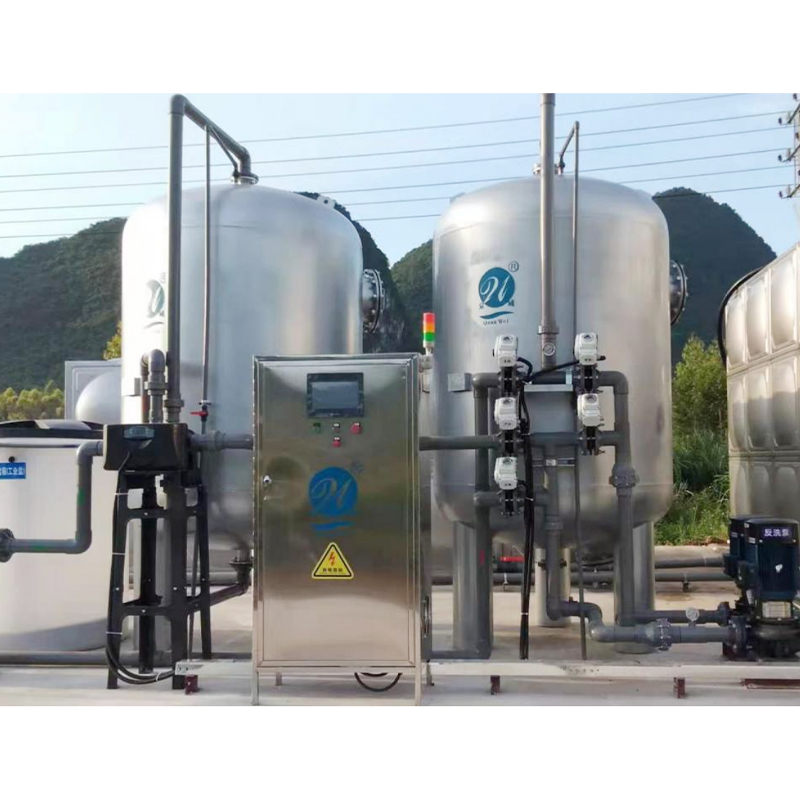
Purified water equipment typically employs multi-stage treatment processes, such as pretreatment, reverse osmosis, and fine treatment, working in tandem. The pretreatment stage removes suspended solids and organic matter from the water through filtration and activated carbon adsorption, reducing the burden on subsequent systems. The reverse osmosis system, as the core unit, effectively removes dissolved salts and minute impurities. The fine treatment stage further improves water purity. Through the synergistic effect of multiple processes, the impact of water quality fluctuations on the final effluent can be significantly reduced, ensuring stability from the source.
2. Core Component Performance and System Matching
The performance of core components such as the reverse osmosis membrane, pump, and control system directly determines the equipment's operational effectiveness. High-quality membrane elements have higher rejection rates and anti-fouling capabilities, helping to maintain stable water quality during long-term operation. Simultaneously, properly matching pump pressure and flow can prevent system fluctuations from impacting membrane performance. Furthermore, scientifically designed system redundancy and backup units can ensure continuous water supply during critical equipment maintenance or failures.
3. Online Monitoring and Intelligent Control
Purified water equipment increasingly relies on automated and intelligent control technologies. By monitoring key parameters such as conductivity, pH, temperature, and microbial indicators online, water quality changes can be monitored in real time. In case of anomalies, the system can automatically adjust operating parameters or issue warnings to prevent substandard water from entering the production process. This real-time monitoring and rapid response mechanism is a crucial guarantee for achieving long-term stable water supply.
4. Anti-fouling and Cleaning Maintenance Mechanism
During long-term operation, membrane fouling and pipe scaling are the main factors affecting water quality stability. Therefore, establishing a comprehensive cleaning and maintenance system is essential. Regular chemical cleaning, backwashing, and filter replacement can effectively restore system performance and prevent contamination accumulation. Simultaneously, proper control of influent water quality and operating conditions helps extend the lifespan of core components and maintain stable equipment operation.
5. Disinfection and Prevention of Secondary Contamination
In high-standard applications, purified water must not only achieve initial purity but also prevent secondary contamination during storage and transportation. Common measures include using ultraviolet light or ozone for sterilization, and employing sanitary piping and closed-loop storage systems. These designs effectively inhibit microbial growth, ensuring consistent water quality from equipment outlet to end-user.
6. Standardized Management and Continuous Optimization
Besides technical safeguards, standardized management is equally essential. Establishing standard operating procedures, regular testing, and record analysis allow for timely identification and optimization of potential problems. Furthermore, upgrading and modifying the system according to changes in production needs helps continuously improve water quality stability.
Overall, the long-term stability of purified water equipment is the result of the combined efforts of process design, equipment performance, intelligent control, and operation and maintenance management. Only by establishing closed-loop management at every stage can we continuously provide safe, stable, and high-quality water in a high-standard production environment.
1. Multi-stage Treatment Processes Build a Stable Foundation
Purified water equipment typically employs multi-stage treatment processes, such as pretreatment, reverse osmosis, and fine treatment, working in tandem. The pretreatment stage removes suspended solids and organic matter from the water through filtration and activated carbon adsorption, reducing the burden on subsequent systems. The reverse osmosis system, as the core unit, effectively removes dissolved salts and minute impurities. The fine treatment stage further improves water purity. Through the synergistic effect of multiple processes, the impact of water quality fluctuations on the final effluent can be significantly reduced, ensuring stability from the source.
2. Core Component Performance and System Matching
The performance of core components such as the reverse osmosis membrane, pump, and control system directly determines the equipment's operational effectiveness. High-quality membrane elements have higher rejection rates and anti-fouling capabilities, helping to maintain stable water quality during long-term operation. Simultaneously, properly matching pump pressure and flow can prevent system fluctuations from impacting membrane performance. Furthermore, scientifically designed system redundancy and backup units can ensure continuous water supply during critical equipment maintenance or failures.
3. Online Monitoring and Intelligent Control
Purified water equipment increasingly relies on automated and intelligent control technologies. By monitoring key parameters such as conductivity, pH, temperature, and microbial indicators online, water quality changes can be monitored in real time. In case of anomalies, the system can automatically adjust operating parameters or issue warnings to prevent substandard water from entering the production process. This real-time monitoring and rapid response mechanism is a crucial guarantee for achieving long-term stable water supply.
4. Anti-fouling and Cleaning Maintenance Mechanism
During long-term operation, membrane fouling and pipe scaling are the main factors affecting water quality stability. Therefore, establishing a comprehensive cleaning and maintenance system is essential. Regular chemical cleaning, backwashing, and filter replacement can effectively restore system performance and prevent contamination accumulation. Simultaneously, proper control of influent water quality and operating conditions helps extend the lifespan of core components and maintain stable equipment operation.
5. Disinfection and Prevention of Secondary Contamination
In high-standard applications, purified water must not only achieve initial purity but also prevent secondary contamination during storage and transportation. Common measures include using ultraviolet light or ozone for sterilization, and employing sanitary piping and closed-loop storage systems. These designs effectively inhibit microbial growth, ensuring consistent water quality from equipment outlet to end-user.
6. Standardized Management and Continuous Optimization
Besides technical safeguards, standardized management is equally essential. Establishing standard operating procedures, regular testing, and record analysis allow for timely identification and optimization of potential problems. Furthermore, upgrading and modifying the system according to changes in production needs helps continuously improve water quality stability.
Overall, the long-term stability of purified water equipment is the result of the combined efforts of process design, equipment performance, intelligent control, and operation and maintenance management. Only by establishing closed-loop management at every stage can we continuously provide safe, stable, and high-quality water in a high-standard production environment.