


How does sewage treatment equipment achieve efficient removal of organic pollutants and nitrogen and phosphorus nutrients?
Release Time : 2026-01-07
With increasingly stringent environmental standards, modern sewage treatment no longer simply removes suspended solids and organic matter, but requires the simultaneous and efficient removal of nutrients such as nitrogen and phosphorus to prevent eutrophication. Advanced sewage treatment equipment utilizes the synergistic effect of multi-stage biological treatment, enhanced chemical phosphorus removal, and intelligent control technologies.
1. Multi-stage biological treatment: Precisely controlling the nitrogen and phosphorus removal pathways
The core of efficient nitrogen and phosphorus removal lies in constructing a rational microbial ecosystem. Mainstream processes such as A²/O, UCT, or modified SBR create suitable environments for different functional microbial communities by controlling dissolved oxygen concentration and hydraulic retention time in different zones:
Anaerobic zone: Polyphosphate-accumulating bacteria release phosphorus, while some organic matter is converted into volatile fatty acids, providing energy for subsequent phosphorus uptake;
Anoxic zone: Denitrifying bacteria utilize the carbon source in the influent to reduce nitrate nitrogen in the return liquid to nitrogen gas, achieving denitrification;
Aerobic zone: Nitrifying bacteria oxidize ammonia nitrogen to nitrate, while polyphosphate-accumulating bacteria excessively uptake phosphorus, which is discharged from the system through excess sludge.
By optimizing the volume ratio, sludge return ratio, and mixed liquor return ratio of each stage, the equipment can complete the entire process of "carbon removal—nitrification—denitrification—biological phosphorus removal" in a single reactor, significantly improving the removal efficiency of total nitrogen and total phosphorus.
2. Enhanced chemical assistance: Ensuring stable compliance of total phosphorus in effluent
Although biological phosphorus removal is effective, it is prone to fluctuations under insufficient influent carbon sources or shock loads. Therefore, modern sewage treatment equipment generally integrates chemical phosphorus removal units. Iron or aluminum salts are added before the secondary sedimentation tank to form insoluble precipitates with phosphate ions, which are then removed through solid-liquid separation. This method can stably control the total phosphorus in the effluent below 0.3 mg/L, effectively meeting the stringent phosphorus limits imposed by emission standards.
3. High-efficiency carriers and membrane technology: Enhancing system shock resistance
To enhance microbial concentration and activity, many devices employ biological packing materials or MBR (membrane bioreactor) technology. MBBR uses high-surface-area packing materials to enrich a large number of nitrifying bacteria and polyphosphate-accumulating bacteria, increasing volumetric loading; while MBR uses microfiltration/ultrafiltration membranes instead of secondary sedimentation tanks to completely remove sludge, decoupling sludge age from hydraulic retention time. Even under low temperature or low load conditions, it can maintain high-efficiency nitrification and organic matter degradation capabilities. Simultaneously, the membrane effluent is clear and transparent, with near-zero suspended solids (SS), laying the foundation for subsequent advanced treatment or reuse.
4. Intelligent control and carbon source optimization: Key to energy saving and consumption reduction
Nitrogen and phosphorus removal is highly dependent on carbon source balance. The equipment is equipped with online water quality sensors, combined with PLC or AI algorithms, to dynamically adjust aeration volume, reflux ratio, and carbon source addition. For example, it reduces the amount of external carbon source when it is sufficient; and reduces fan frequency during low-load periods at night. This refined management not only improves removal efficiency but also reduces operating energy consumption by 20%–30%.
5. Modular Integrated Design: Suitable for Diverse Scenarios
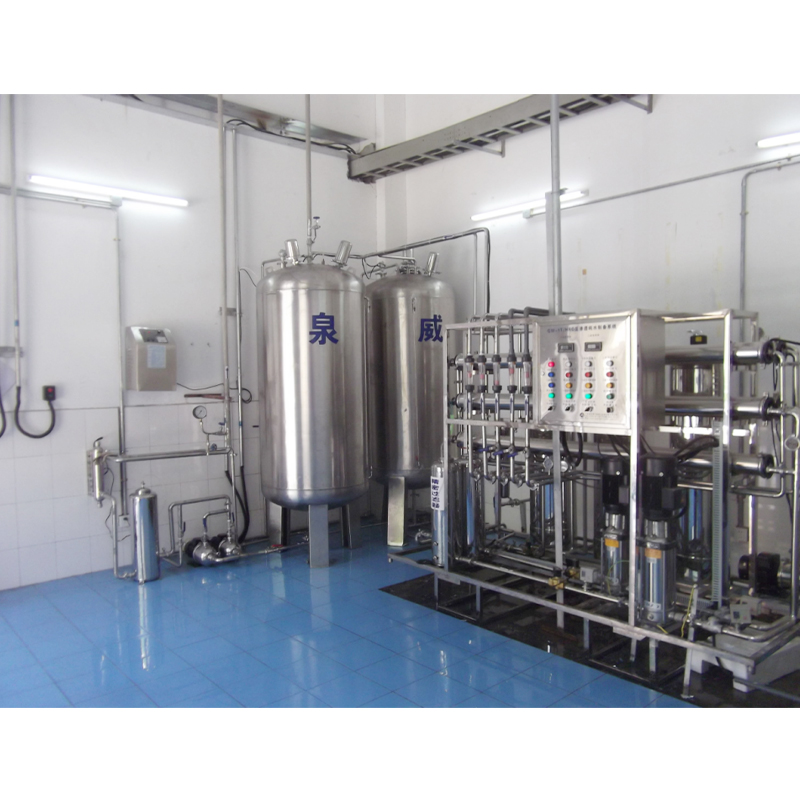
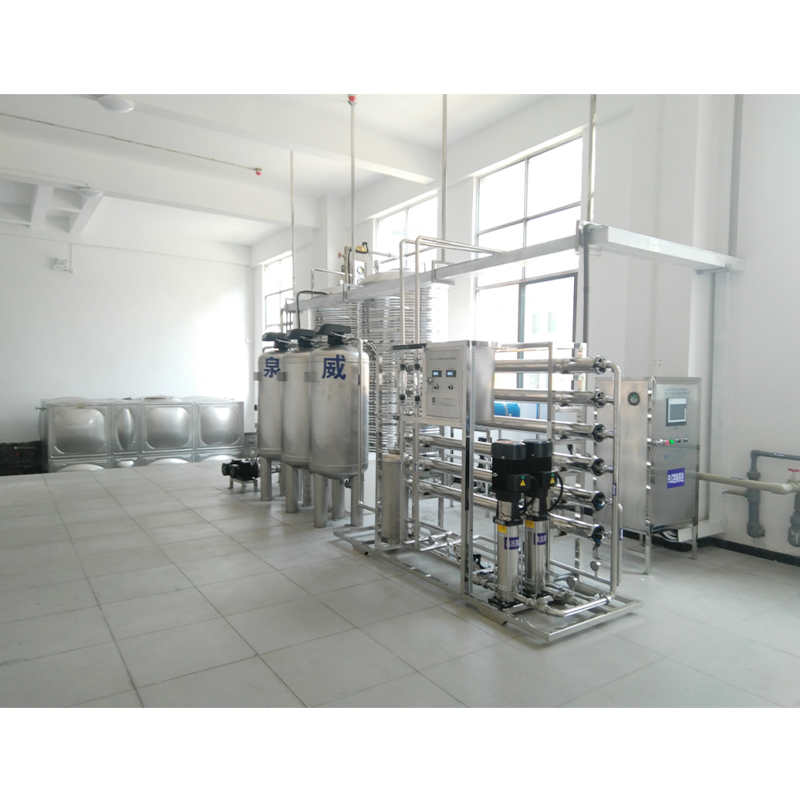
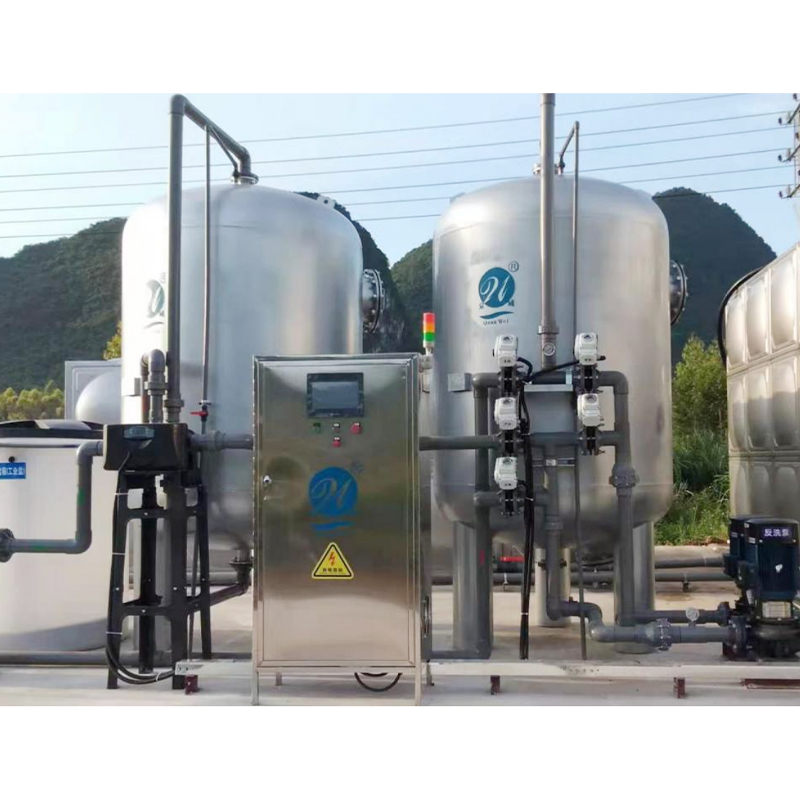
The above processes are highly integrated into a single waste treatment equipment unit, featuring a compact structure, small footprint, and quick installation. It is widely used in towns, scenic areas, industrial parks, and emergency treatment scenarios. The equipment casing is typically made of corrosion-resistant carbon steel with an anti-corrosion coating or fiberglass structure. The internal piping and aeration system are optimized to ensure uniform water flow, no dead zones, and long-term stable operation.
Highly efficient removal of organic matter and nitrogen and phosphorus, showcasing the technological strength of waste treatment equipment. Through multi-dimensional synergy of "biological dominance, chemical assistance, intelligent control, and material support," this type of equipment not only solves the problem of unstable nitrogen and phosphorus removal in traditional processes but also promotes the development of wastewater resource utilization and energy recovery. In the future, as the concepts of low-carbon and smart water management deepen, sewage treatment equipment will continue to evolve towards greater efficiency, greener practices, and smarter technologies.
1. Multi-stage biological treatment: Precisely controlling the nitrogen and phosphorus removal pathways
The core of efficient nitrogen and phosphorus removal lies in constructing a rational microbial ecosystem. Mainstream processes such as A²/O, UCT, or modified SBR create suitable environments for different functional microbial communities by controlling dissolved oxygen concentration and hydraulic retention time in different zones:
Anaerobic zone: Polyphosphate-accumulating bacteria release phosphorus, while some organic matter is converted into volatile fatty acids, providing energy for subsequent phosphorus uptake;
Anoxic zone: Denitrifying bacteria utilize the carbon source in the influent to reduce nitrate nitrogen in the return liquid to nitrogen gas, achieving denitrification;
Aerobic zone: Nitrifying bacteria oxidize ammonia nitrogen to nitrate, while polyphosphate-accumulating bacteria excessively uptake phosphorus, which is discharged from the system through excess sludge.
By optimizing the volume ratio, sludge return ratio, and mixed liquor return ratio of each stage, the equipment can complete the entire process of "carbon removal—nitrification—denitrification—biological phosphorus removal" in a single reactor, significantly improving the removal efficiency of total nitrogen and total phosphorus.
2. Enhanced chemical assistance: Ensuring stable compliance of total phosphorus in effluent
Although biological phosphorus removal is effective, it is prone to fluctuations under insufficient influent carbon sources or shock loads. Therefore, modern sewage treatment equipment generally integrates chemical phosphorus removal units. Iron or aluminum salts are added before the secondary sedimentation tank to form insoluble precipitates with phosphate ions, which are then removed through solid-liquid separation. This method can stably control the total phosphorus in the effluent below 0.3 mg/L, effectively meeting the stringent phosphorus limits imposed by emission standards.
3. High-efficiency carriers and membrane technology: Enhancing system shock resistance
To enhance microbial concentration and activity, many devices employ biological packing materials or MBR (membrane bioreactor) technology. MBBR uses high-surface-area packing materials to enrich a large number of nitrifying bacteria and polyphosphate-accumulating bacteria, increasing volumetric loading; while MBR uses microfiltration/ultrafiltration membranes instead of secondary sedimentation tanks to completely remove sludge, decoupling sludge age from hydraulic retention time. Even under low temperature or low load conditions, it can maintain high-efficiency nitrification and organic matter degradation capabilities. Simultaneously, the membrane effluent is clear and transparent, with near-zero suspended solids (SS), laying the foundation for subsequent advanced treatment or reuse.
4. Intelligent control and carbon source optimization: Key to energy saving and consumption reduction
Nitrogen and phosphorus removal is highly dependent on carbon source balance. The equipment is equipped with online water quality sensors, combined with PLC or AI algorithms, to dynamically adjust aeration volume, reflux ratio, and carbon source addition. For example, it reduces the amount of external carbon source when it is sufficient; and reduces fan frequency during low-load periods at night. This refined management not only improves removal efficiency but also reduces operating energy consumption by 20%–30%.
5. Modular Integrated Design: Suitable for Diverse Scenarios
The above processes are highly integrated into a single waste treatment equipment unit, featuring a compact structure, small footprint, and quick installation. It is widely used in towns, scenic areas, industrial parks, and emergency treatment scenarios. The equipment casing is typically made of corrosion-resistant carbon steel with an anti-corrosion coating or fiberglass structure. The internal piping and aeration system are optimized to ensure uniform water flow, no dead zones, and long-term stable operation.
Highly efficient removal of organic matter and nitrogen and phosphorus, showcasing the technological strength of waste treatment equipment. Through multi-dimensional synergy of "biological dominance, chemical assistance, intelligent control, and material support," this type of equipment not only solves the problem of unstable nitrogen and phosphorus removal in traditional processes but also promotes the development of wastewater resource utilization and energy recovery. In the future, as the concepts of low-carbon and smart water management deepen, sewage treatment equipment will continue to evolve towards greater efficiency, greener practices, and smarter technologies.